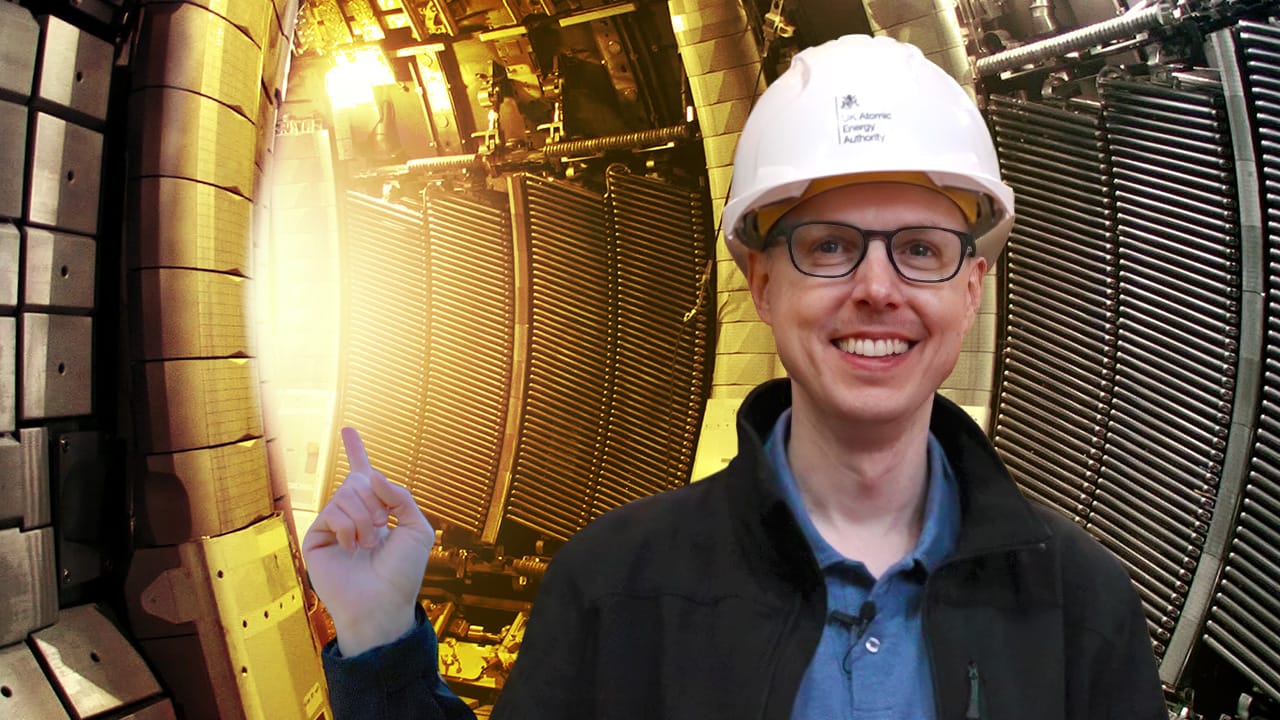
Matt Ferrell

Matt Ferrell

Matt Ferrell lives in the Boston area and is a UI/UX designer by trade, but has always been obsessed by technology and how it works. In 2018 he started his YouTube channel, Undecided with Matt Ferrell, where he explores sustainable and smart technologies like EVs, solar panels, and smart homes.

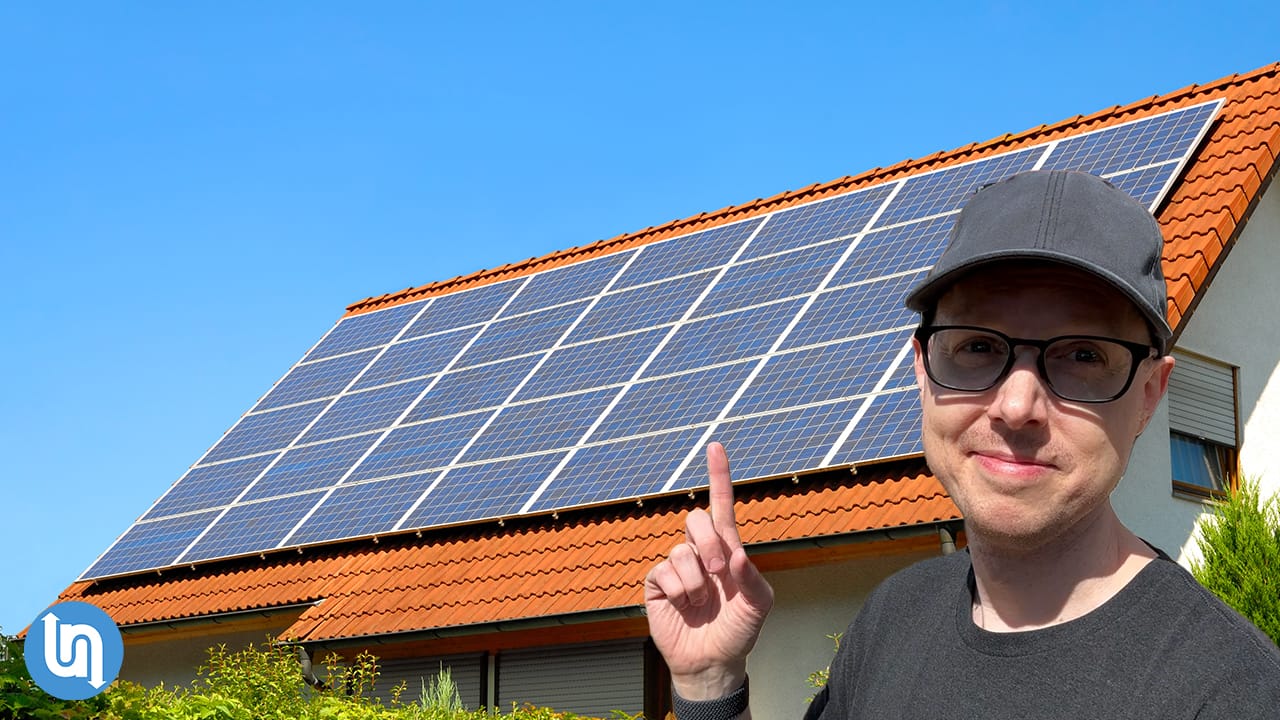
Why Solar Panels Aren’t Unfair or a Scam

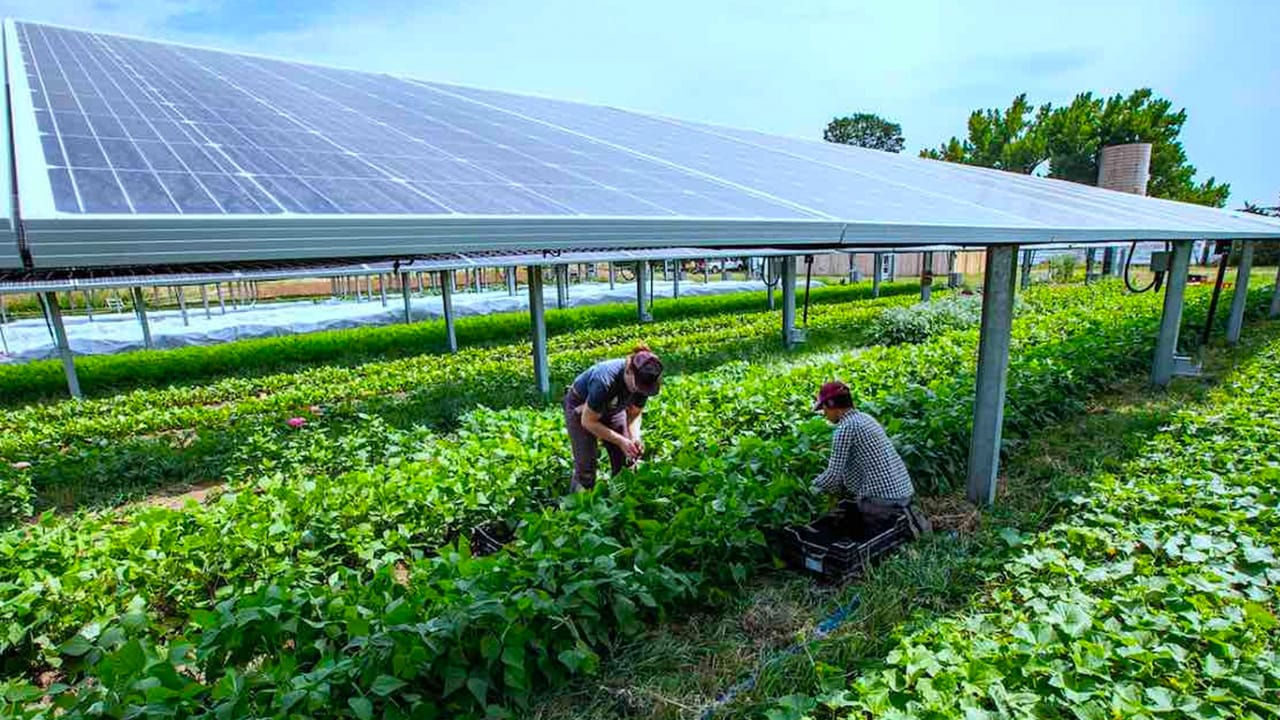
There’s concerns that homes with solar panels are reducing their utility bills at the expense of their neighbors without solar panels. The phenomenon is referred to as “cost shifting”: the idea that the credits utilities pay to solar homes for the energy they produce ultimately results in higher bills

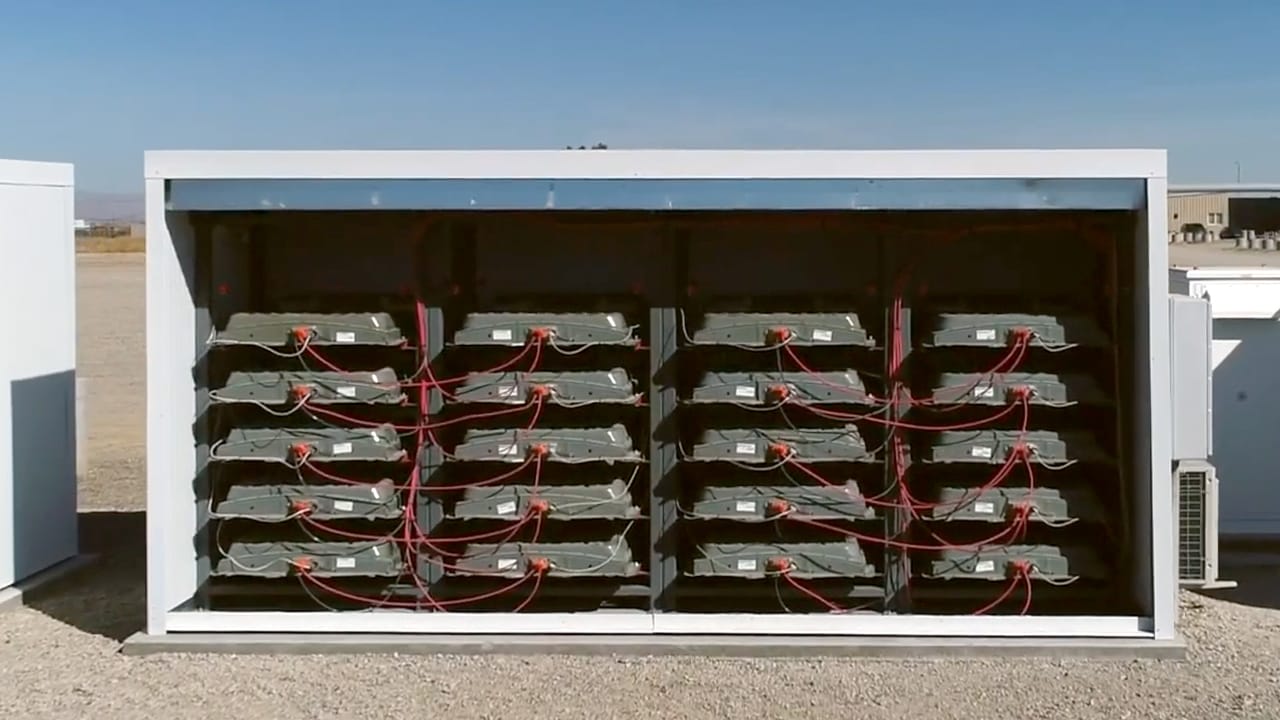
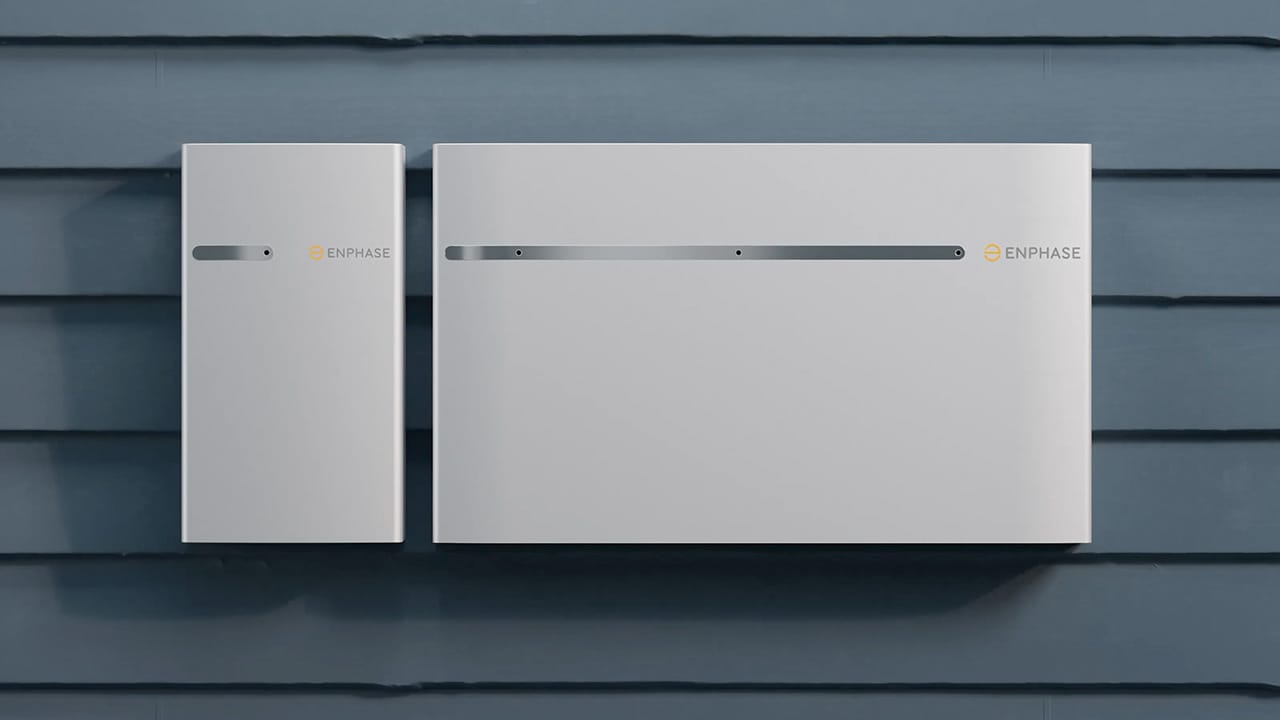
How Dead EV Batteries are Perfect for Energy Storage

It’s been nice to see the growing popularity of electric vehicles these last few years, but EVs need batteries and batteries don’t last forever. In fact, the first generation of EV batteries are already dying, and there's an absolute dead battery typhoon coming. Lithium battery recycling

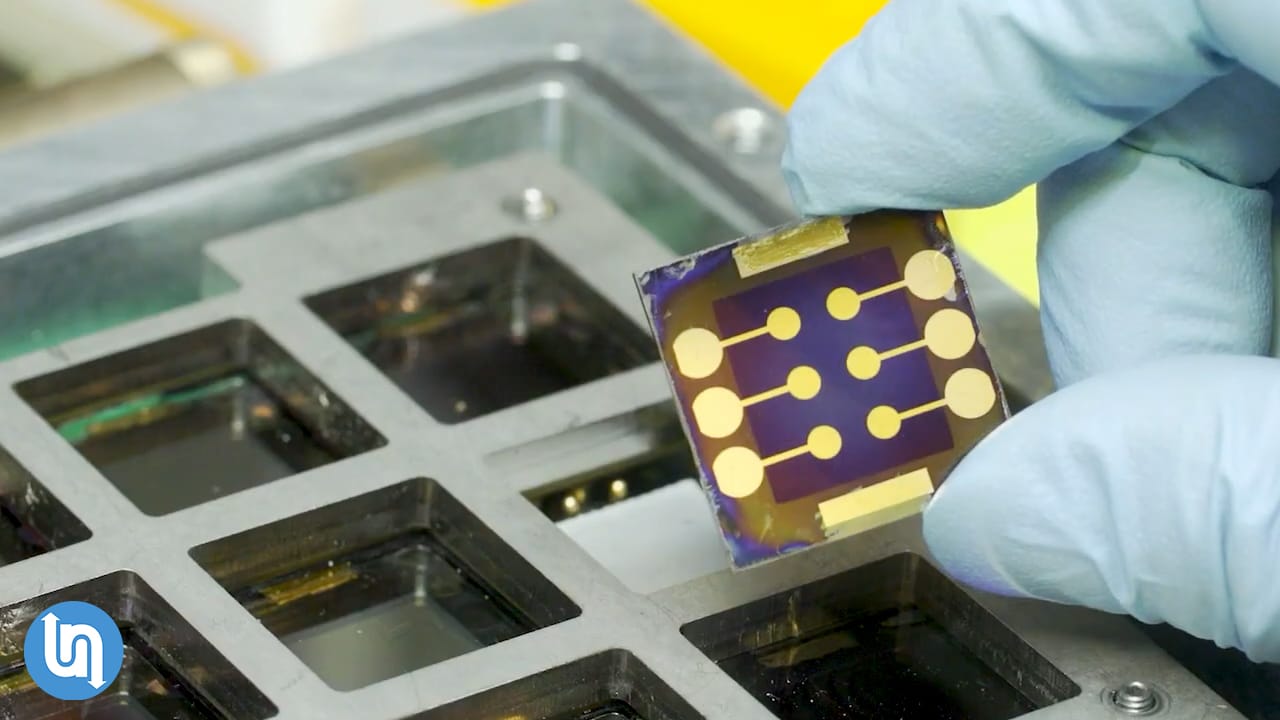
Top 5 Solar Energy Advances Using Perovskites

For years, special kinds of semiconductors called perovskites have promised revolutionary improvements compared to traditional silicon solar cells. Perovskites could hold the key to higher efficiency at lower costs. In some cases perovskites have been shown to offer a 250% performance boost. But scientists have been working on this tech

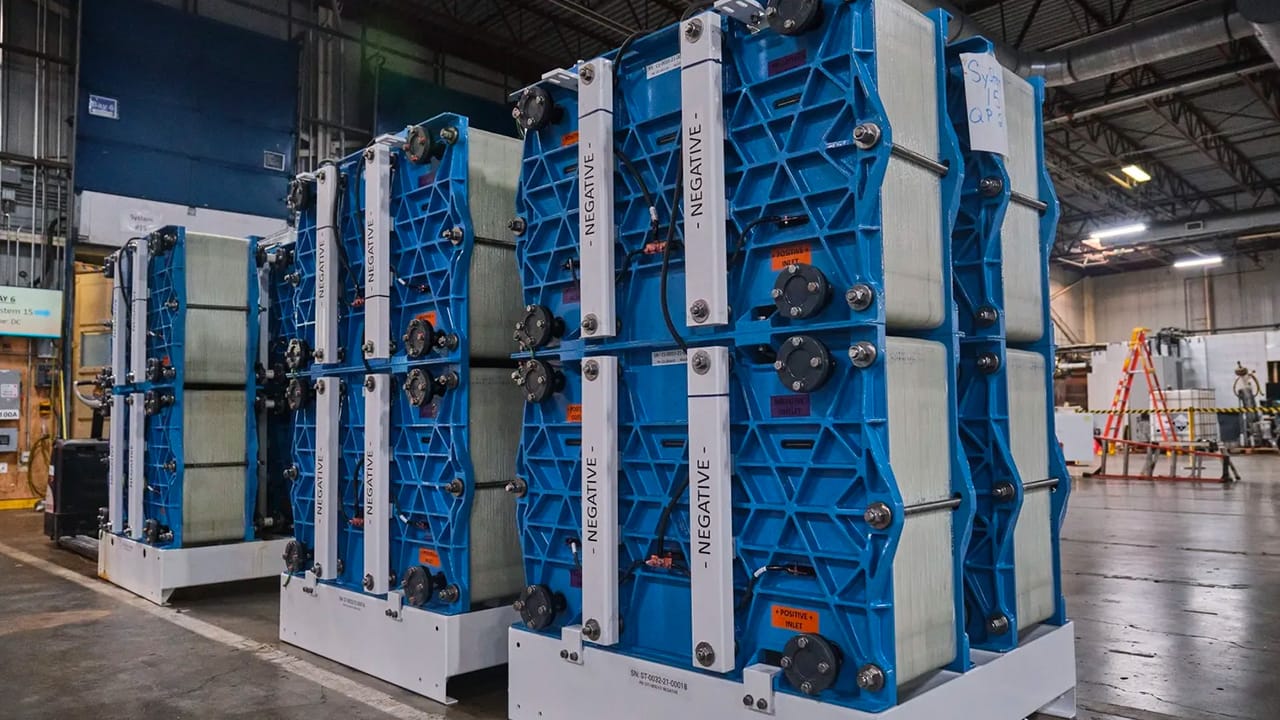
Why Salt Water may be the Future of Batteries

There’s no shortage of potential solutions to the world’s critical need for renewable energy storage. But there is a shortage of accessible and cheap resources to use for those solutions. With the limitations of materials like lithium and vanadium in mind, it’s logical to look for alternatives

Why Are Floating Wind Turbines So Huge?

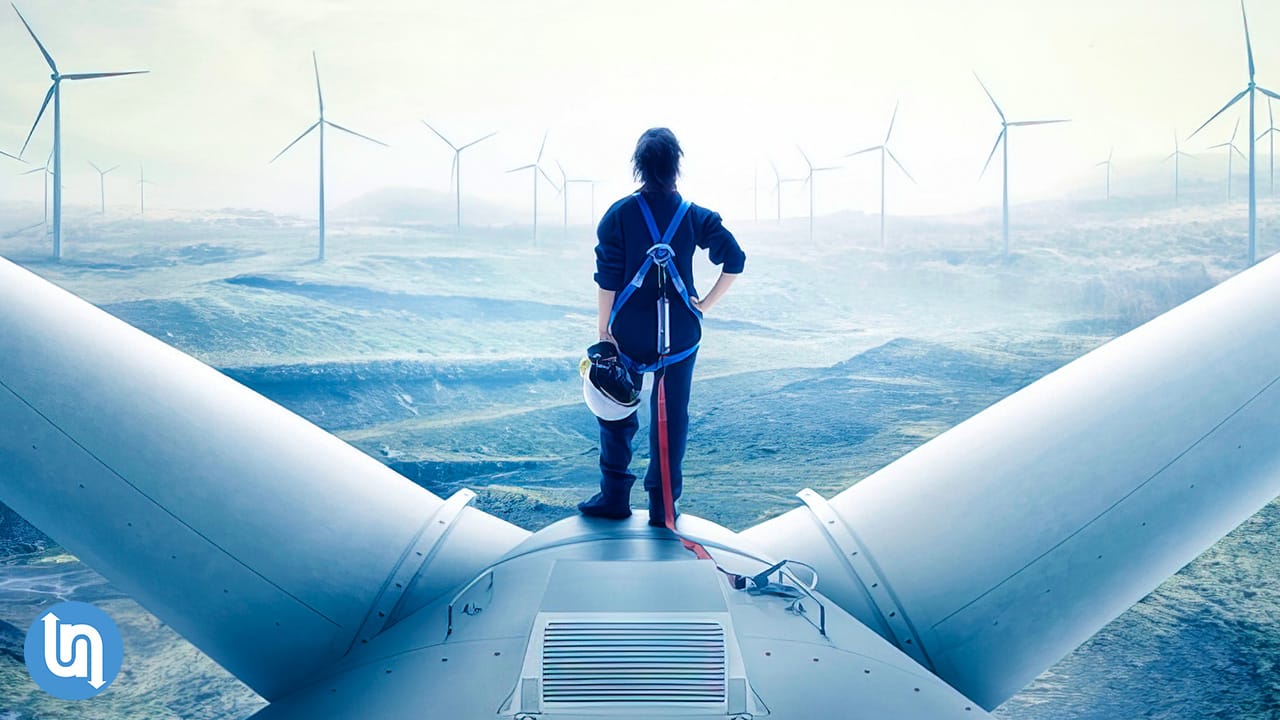
With the recent news of China producing one of the largest wind turbines yet, with a rotor diameter of 260 meters (853 feet) and a rating of 18MW, it got me wondering why they’re so big. They’re almost defying imagination at this point. Bigger is always better in

Why Worms May Be the Future of Plastic Recycling

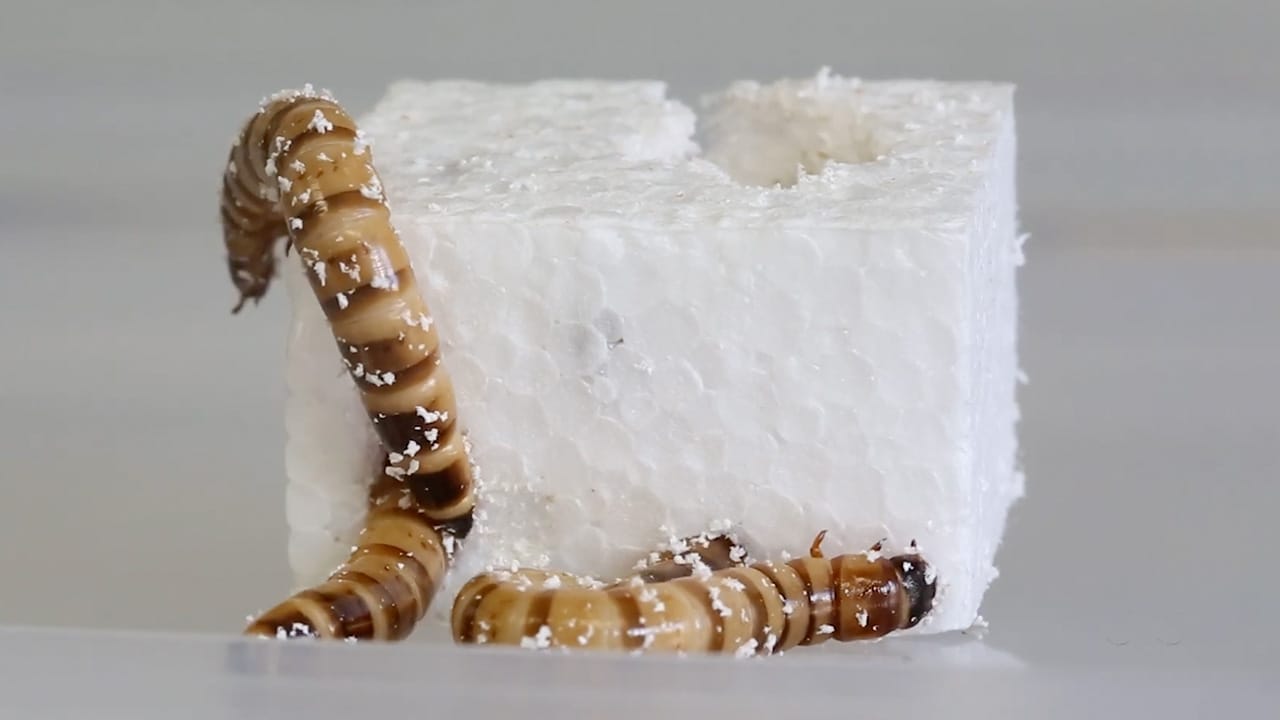
The vast majority of the world’s plastic isn’t recycled … and when it is, we spend more money to achieve less quality. It’s currently cheaper to keep producing newer plastics — at the much higher cost of human and environmental health. But nature has evolved in response. Several species