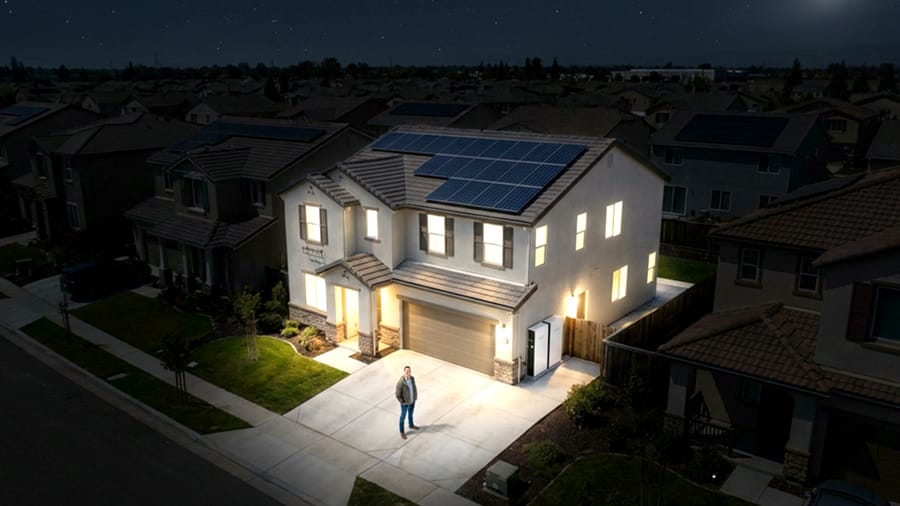
Last November I published a video about Hotel Marcel and how they went with DC wiring and power instead of the traditional AC wiring we're all familiar with. When a building has solar and battery storage it can make a lot of sense to go DC instead of AC for efficiency reasons alone.
Solar panels and batteries are both DC. However, in most cases that electricity needs to be converted to AC before it can be used within the building. Avoiding DC to AC conversions with DC lighting and other electric components will lose less electricity (on average that might be about 5% losses or more).
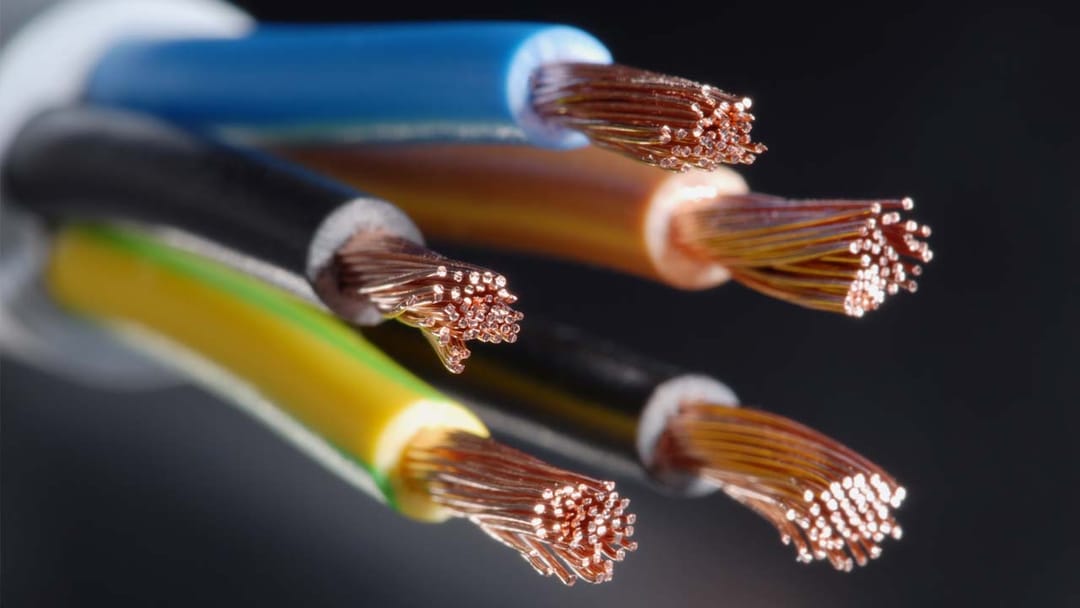
However, that's not the only reason to consider DC wiring systems. Copper plays a pivotal role in our electric economy (home wiring, EVs, renewables, etc.) and there's a growing concern about copper pricing and availability. Low voltage wiring reduces the amount of copper needed.
On both of those counts, it raises the question of why we don't see DC wiring in our homes and buildings more often? We see DC power in the recreational vehicle (RV) space, but not homes. With the growing popularity of home solar and energy storage we're starting to see interest in DC extend into our homes now as well. Unfortunately there aren't a lot of products on the market for that specific use case (yet).
One company starting to bring products like this to market is LumenCache, which is why I asked their CEO and founder, Derek Cowburn, to share his thoughts on this topic.
The efficiency and heath benefits of electrification are blossoming around the world, which is creating materials shortages. While batteries are getting all the press, there's a looming problem that's about to affect prices of absolutely every product that uses electrons: A shortage of Copper.
Copper really has no replacement when it comes to wires. Aluminum Clad wires are banned in many jurisdictions and would only be useful in ceilings where the power required over the wires is a gross mismatch to the size of the conductors required by code, mostly due to the high efficiency of LED lighting. Even ceiling fans, exhaust fans, and blinds motors all have high efficiency DC motor controllers inside. As you showed us in the hotel video, there's no reason to convert back and forth from DC to AC and back to DC in the devices.
The Copper shortage is likely to force builders off the Hesitancy Fence, and they'll try some of the many DC lighting systems-- just to save the Copper cost or worse, no wire on the shelves. The Indiegogo launch of the LumenCache ReNetA platform introduces a solution that's one step further in the evolution of the industry: it's a Universal Adapter in addition to distributing DC power and controlling lights. So it allows any of the standards to be used, which is always one of the first questions builders ask. They have been stung so many times by products that become rapidly obsolete and replaced by the latest version that's incompatible. ReNetA enforces compatibility not only between vendors, but versions of products as well. So a new technology can be snapped in next to existing cards and the whole thing is seamless.
Beyond lighting, your recent videos on cooktops and heat pumps have highlighted the trend toward greater efficiency and lower wattage demand. Even a cooktop with a battery can sip 100-300W for a few hours and deliver 2500W while cooking. The same for water heaters and even space heaters with thermal storage. I predict the most power we'll need delivered over wires in the home will settle out at about 300W over the next decade. So there's LumenCache cards in the roadmap that can deliver that much power. Remember that cool VoltServer technology? Fault Limited Power will change the interaction with the plug, with the need for more intelligence sharing between loads and the energy sources.
When I presented in Jakarta for the Net Zero World event, many of the speakers mentioned the challenge of converting the scooter fleet from 2 strokes to electric. Even at the 15th floor, the street noise from all the scooters was clearly audible. Not to mention the toxicity of the fumes. When it was my turn to speak, I mentioned that, in a few years, when the scooter batteries were getting too weak for traction motors, they could simply plug them into the LumenCache panels and they would get a few more years life from the batteries. This has the benefit of pushing back the challenge of battery recycling too.
Copper shortages, skilled labor shortages, ESG goals, indoor air quality improvements, are all within reach now.
-Derek Cowburn
This isn't a sponsored post and I have no affiliation with LumenCache, but I'm genuinely excited to see more DC products like this coming to market. If you're interested in learning more, you can check out their Indiegogo campaign, which is going on right now.
They aren't the only company trying to make DC more mainstream for homes and buildings around the world. If you'd like a deeper dive into tech like this, please let me know.