Plastics

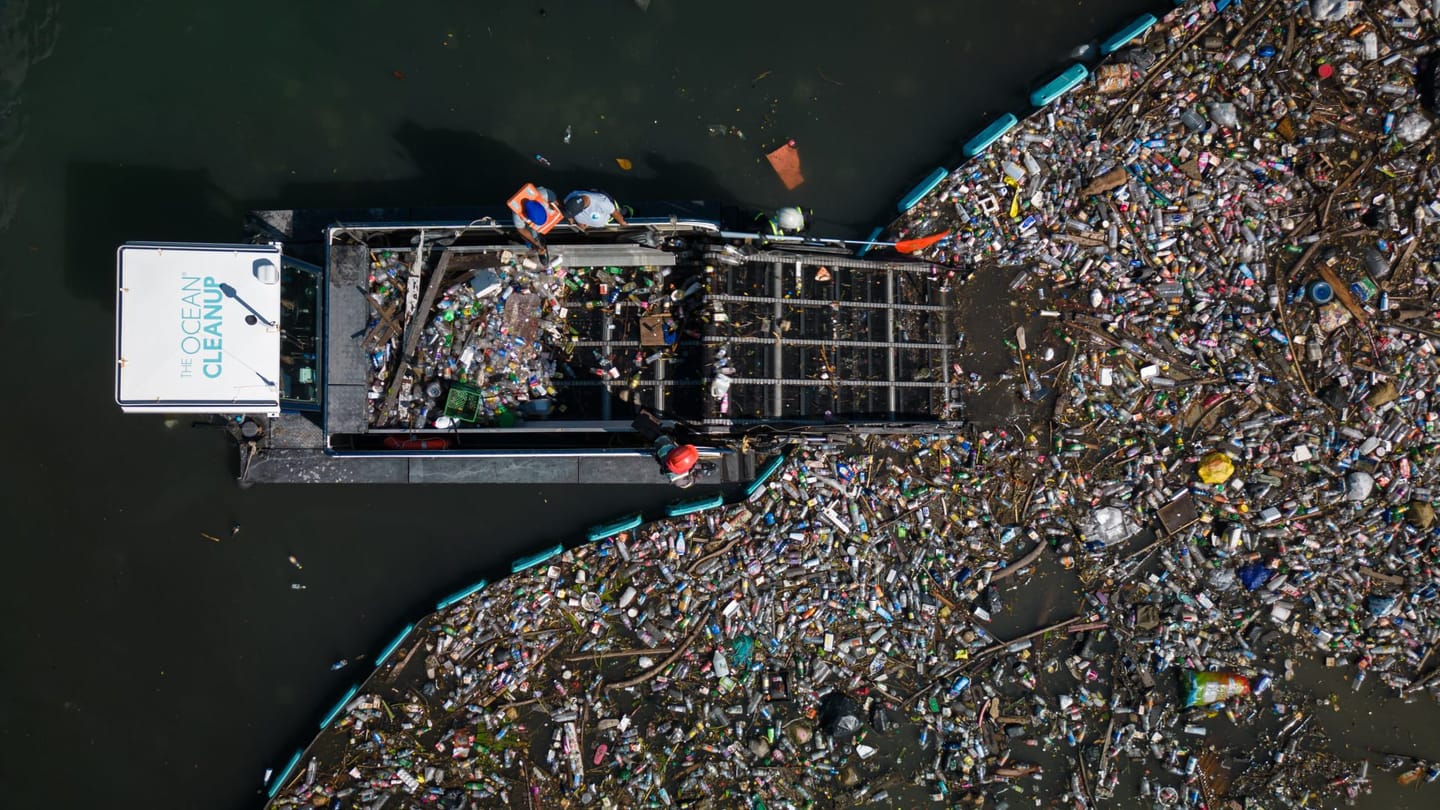
How Ocean Plastic Isn’t The Problem

I was a teenager on a cruise when I first saw ocean pollution up close. Late at night, I heard a noise over the railing. I looked down and saw crew dumping garbage into the ocean. A stream of trash stretching off toward the horizon. That image stuck with me.
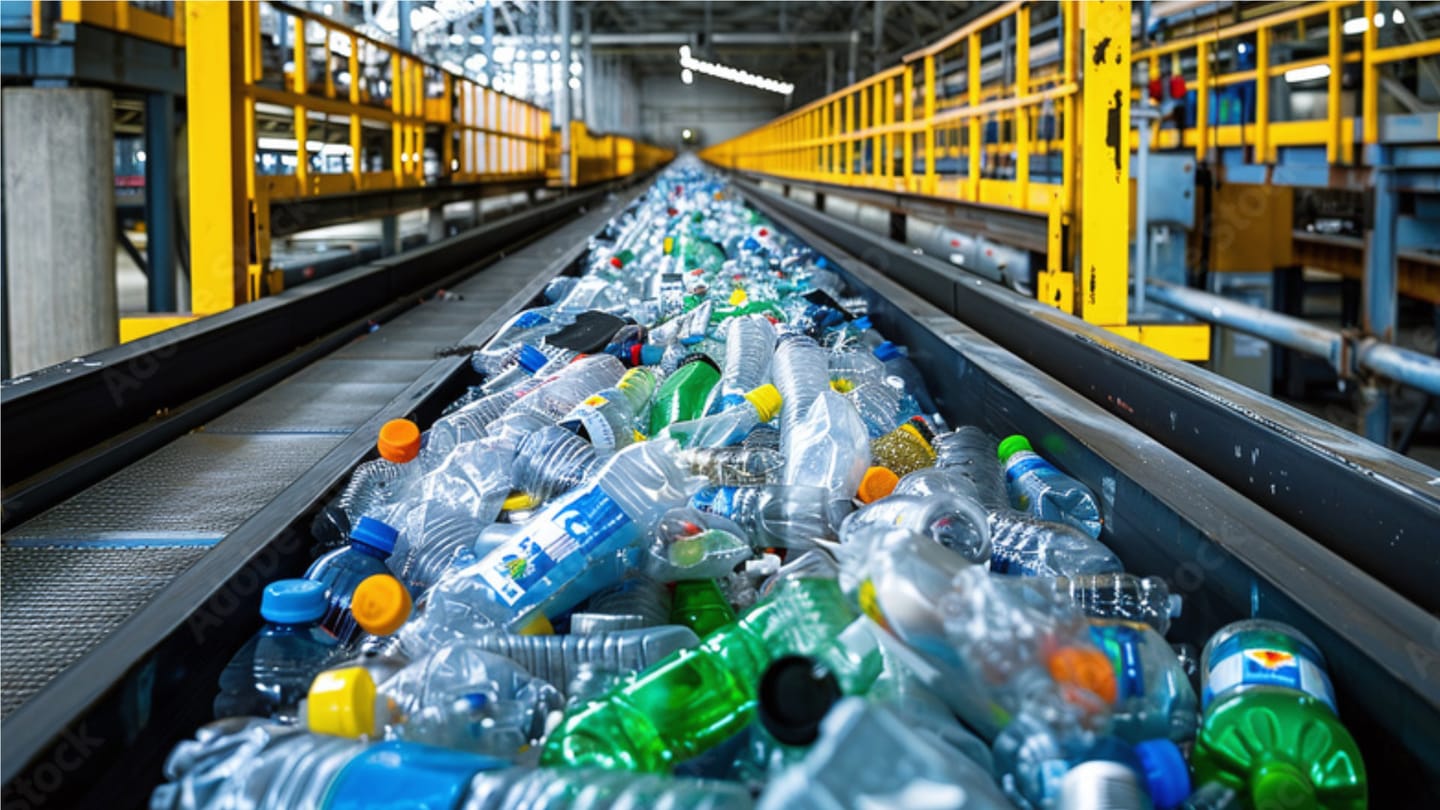
Plastic Recycling Not Requiring Sorting Could Be Coming

What if every piece of plastic waste, like bottles, bags, even clothes, could be rebuilt from scratch, no sorting required? Not just melted and reshaped, but broken down to pure chemical building blocks and made new again. That’s what a new wave of recycling tech promises. At Northwestern University,

5 BEST Alternatives to Finally Replace Plastic

Plastic is firmly established in our daily lives, but it’s only existed for about a century or so. As we consider the long-term harms of rapidly accruing pollution, it begs the question…would it be so bad to finally break up with plastics? And is it even possible at

Why Worms May Be the Future of Plastic Recycling

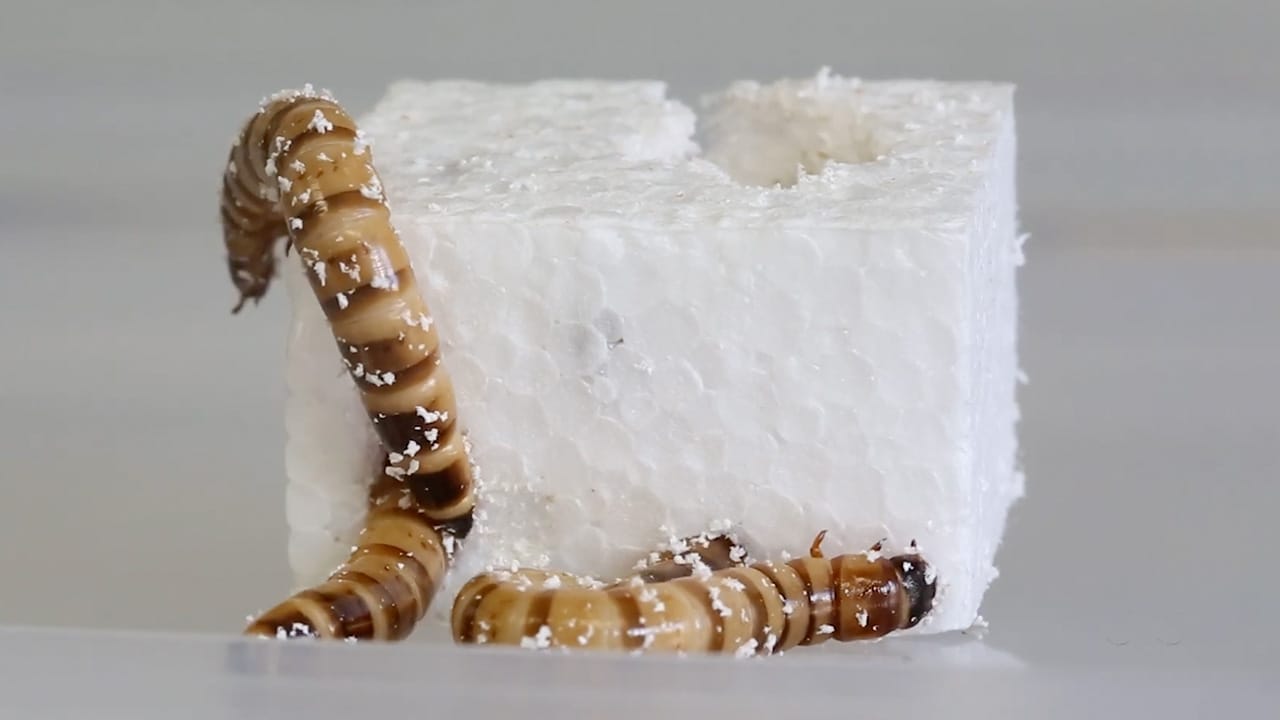
The vast majority of the world’s plastic isn’t recycled … and when it is, we spend more money to achieve less quality. It’s currently cheaper to keep producing newer plastics — at the much higher cost of human and environmental health. But nature has evolved in response. Several species

Turning Food Waste into Plastic

by Joseph DeNatale

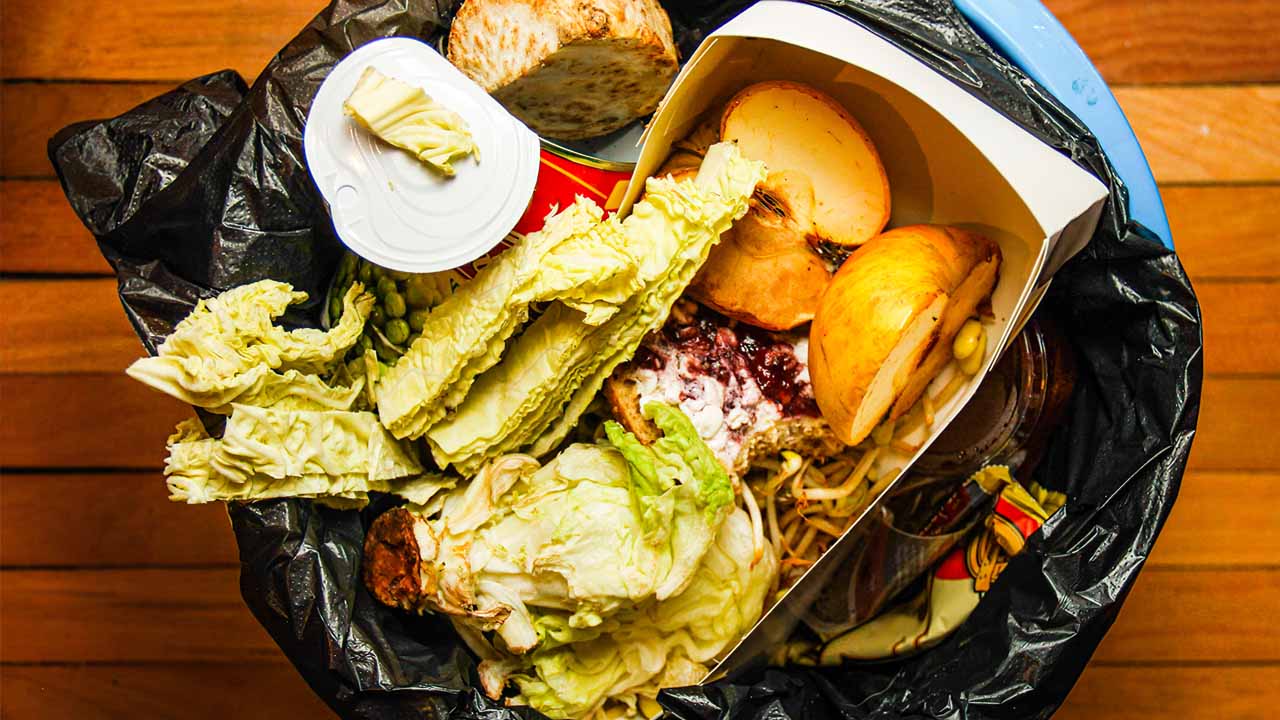
Among the many environmental crises that society must deal with over the coming decades, two stand out as particularly troublesome: plastic pollution and food waste. There may be a way to solve both problems at once: turning our rotting food into biodegradable, compostable plastic. This would be no small feat,

Is Silk the Microplastic of the Future?

by Greg Makrigiorgos

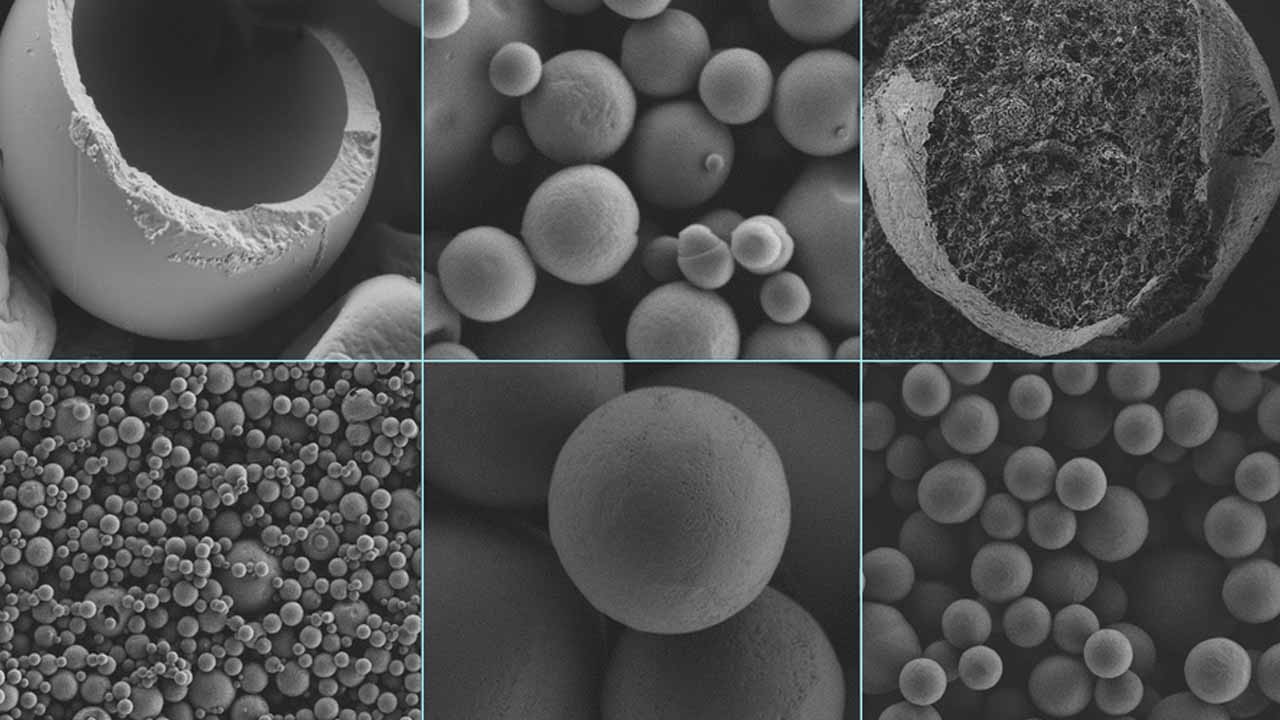
We hear a lot about the impact of plastic, but the truth is, the material is good at what it was made for. It’s cheap to manufacture, at about 1 cent per bag. It’s durable enough to withstand heat and cold, which makes it the perfect container to

Why Seaweed Could Be The Future Of Plastic?

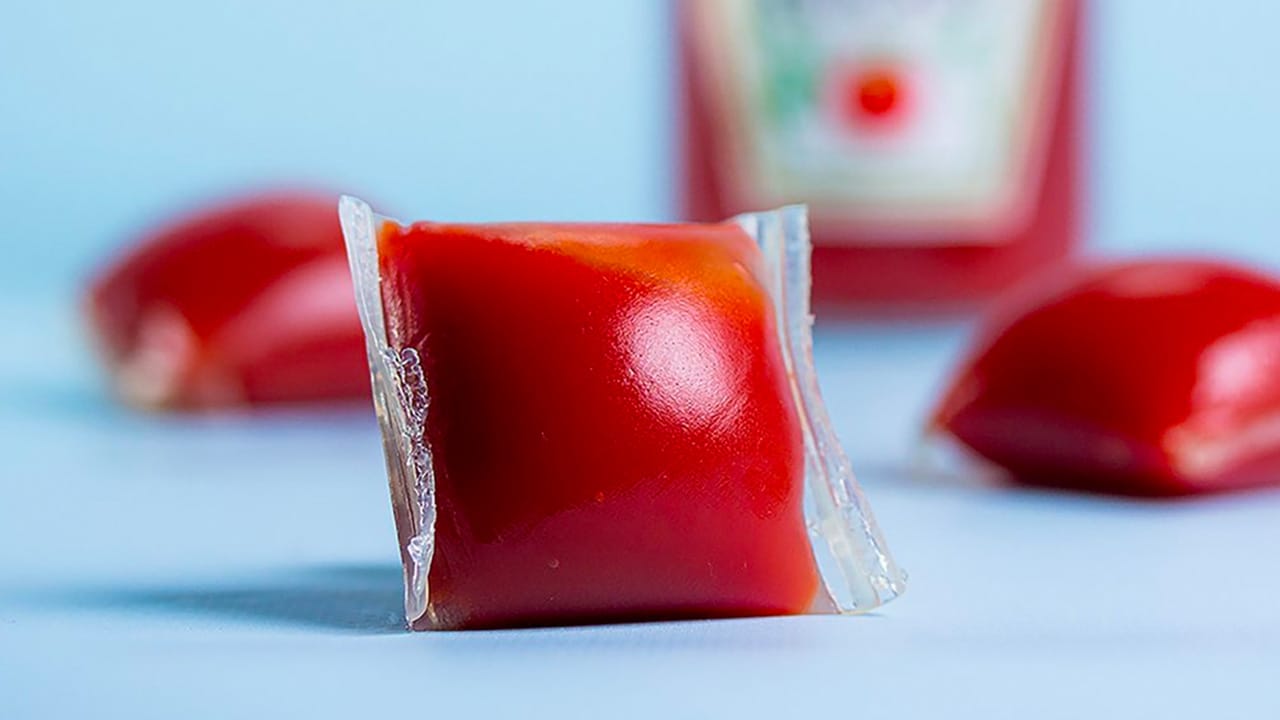
Plastic has been the staple of our manufacturing industry over the last 60 years. It was made to last … and it did… to the point that it’s now everywhere on the planet, even in our bodies. We’ve been struggling to find a greener alternative to this pollution threat.